Understanding Retargeting and Remarketing
In the fast-moving waters of digital marketing today, there are two aspects that, in most cases if not all, greatly enhance the conversion process. Even though they are used interchangeably, one wouldn't be wrong if they played the other's role in ensuring you reach your potential customers.
What is Retargeting?
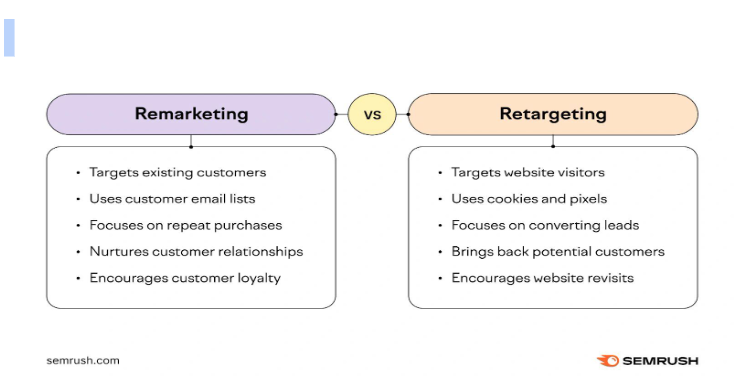
Retargeting is a process in digital marketing that consists of ensuring users who have visited one's website but did not convert by performing a particular activity, such as buying something or filling out a form, are engaged again. This is done by showing such users targeted ads as they visit other websites. Retargeting keeps the brand at the top of the customers' minds and encourages customers to come back and convert.
What is Remarketing?
Remarketing, on the other hand, is often associated with email marketing. The term is used in reference to contacting people that have, in one way or the other, interacted with your business. The interaction could be in the form of visiting your webpage, signing up for your newsletter, or purchasing a given product. Such emails often have triggered emails with personalized recommendations or exclusive discounts and subtle reminders to spur the interest that will redirect them to you.
Key Differences Between Retargeting and Remarketing
Mode of Communication
Retargeting essentially operates with display ads through various websites and social media networks, while remarketing becomes based on email campaigns.
Objective
Retargeting aims to bring the user back to your website to finish an incomplete activity only. The goal of remarketing is to increase the relationship and inspire repeat business.
Benefits of Retargeting and Remarketing
- Brand Recall: Both techniques keep your brand in front of potential customers, resulting in a higher chance of conversions.
- Better ROI: Since you’re targeting users already interested in your product or service, your marketing spend becomes more efficient.
- Customized Marketing: Delivering tailored ads and emails based on user behavior makes marketing more personal and impactful.
Best Practices in Retargeting and Remarketing That Convert
- Segment Your Audience: Group users based on behavior, such as page visits, cart abandonment, or past purchases, for more relevant campaigns.
- Create Engaging Content: Use eye-catching visuals and compelling copy to grab users’ attention and prompt action.
- Frequency Capping: Avoid bombarding users with excessive ads and emails that can lead to audience fatigue.
Conclusion
Retargeting and remarketing are some of the most potent weapons in the digital marketer's arsenal. By understanding the strengths of both and knowing how to apply them strategically, you can create better campaigns, engage more customers, and significantly increase conversions.